Eating On The Go Luxury Style
 When travelling I like to make a list of all the essentials for survival, the necessary items and the luxury items. I like to bring all of the essentials for survival, none of the “necessities” and three of the luxury items. I often employ this strategy with my packed emergency food. Please see the related “Eating on the Go Smart Style” article here. For now let’s plan five luxury food stashes that can really help to get through when the basics of proper prudent planning just don’t cut it.
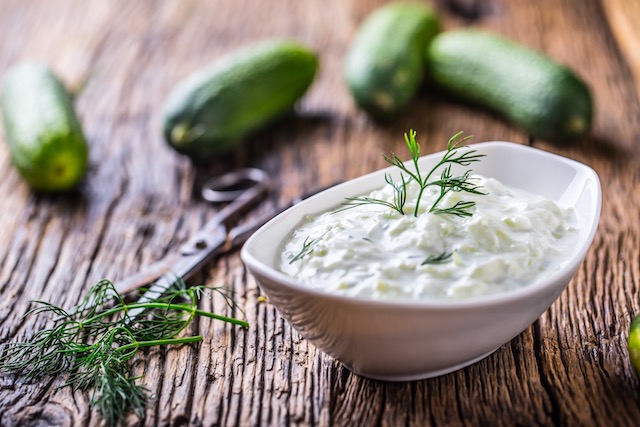
Strategy #1, freezer dips: I like to keep my freezer stocked with dips so that those unprepared veggies in the fridge magically become the easiest meal in my house. This really is hilarious because it takes under five minutes to make a good dip out of whatever you have on hand. Just knowing I have this already made makes the times of overwhelm easier to navigate and keeps me nourished instead of grabbing unhealthy foods. I like to have herbed nut cheeses and dill based dips in the freezer… This brings me to strategy #2…
Strategy #2, pre-frozen sprouted lentils, chick peas, pseudograins: I have a hommous habit. I have tried making hommous out of just about anything but I am able to get the texture the closest to my old favourites by using sprouted lentils and chickpeas, cooking if I choose and then freezing them. The cooking makes them less bitter and improves the texture of the dip. Humous can also be fermented or the legumes can be fermented before freezing them to reduce lectins and phytates to negligible amounts. Bacteria on our side!
I find it easier to digest the lentils than the chickpeas and strangely enough the freezing seems to make them even better. It is very hard not to default to grocery-store hommous when I know that I will have to wait for three days for my pulses to sprout… Enter pre-frozen sprouted lentils and chickpeas. I like to freeze these in two-cup portions so that they are ready for my next homous fix. Or another protein rich dip. I find that freezing the chickpeas and lentils makes them softer for blending too, it is quite a magic trick. I totally consent that freezing them will result in a few nutrients lost but I am so pleased to be eating homemade real food and totally avoiding canola oil and other processed food add-ons. This also helps me to reduce my packaging footprint.
Strategy #3, pre-made dip mixes: to make veggies from any corner store into a fulfilling meal. If the store has almond butter or tahini I am good to go. I like to use different spices for different occasions. I will bring onion and garlic powder mixed with dried thyme, parsley and chives to mix with tahini and I will bring spices to make instant peanut sauce for almond butter. I often ferment yogurt on road trips (yes, it’s easy) and then all I have to do is add this dip mix and I have the HEALTHIEST on-the-road snack and a car-full of jealous friends. This is also a great trick for through-hiking or backpacking. The trick is to have the mixes already made up so you just need to pour and stir. The Cowboy Spice Rub recipe on this app/site is an example of one of these.
Strategy #4, crackers: These are a real staple to have on hand in order to get through snacky times. Use your imagination in the creation of your crackers because they can be camping food or fancy food. Try some pomegranate rosemary crackers from this site or pumpkin crackers, whatever you come up with. We make a version in Friendly Flora but the general theory is to use soaked flax or chia to hold them together and add a variety of vegetables and herbs.
Strategy #5, something naughty: This can be chocolate or another kind of “candy” that you really like. I like to have something like this ready because if this is the “worst” food I eat it is still pretty safe and I have done myself a favour by being prepared. Over the past twenty or so years I have constantly raised the bar on my bottom-line foods. I do not tend to feel my best after eating so called junk foods but all things are relative. I am happy to feel prepared and to know that I have taken the time to ensure that I stay on track even if that means having some matcha bars or chocolate apricot squares in the freezer.
Read more


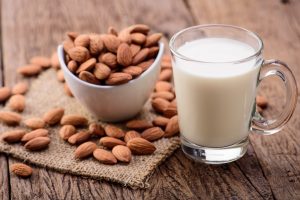 other thickeners/stablisers and provide you with flavour profile options that you would not find in a tetra pack. Making your own nut milk will also provide options for you in crafting your own fat balance. Some nuts like hazelnuts and macadamias will provide more monounsaturated fatty acids which can be great for encouraging weight loss among other things when eaten in moderation. Hazelnuts also have a real classic taste and go so well with so many iconic foods like chocolate or cranberry. Hazelnuts and Macadamias have a taste and feel that I can only describe best as dry. Maybe you want to balance out this dryness with some other nut flavours AND you want to tweak the omega 3 profile. Sooo why not use some chia in there and maybe a bit of coconut to help with the uptake of the omega 3 conversion to EPA/DHA (more about this next week :)). Adding sunflower lecithin will provide choline which is just hard to get anywhere else and is so great for brain health and the sunflower lecithin will emulsify the nut milk a little bit and help if it is going to be part of a warming beverage.
 These seeds contain a great amount of calcium but they also contain a great amount of oxalates. This means that the calcium within the sesame seeds is largely unabsorbable. FERMENTING is the best way to decrease oxalates in sesame milk or even in the seeds themselves if fermented in a Lactobacillus bath. There is some debate about how much of the oxalates are destroyed by sprouting. Sesame seeds also contain phytic acid. Phytic acid binds to the zinc making it less absorbable along with other minerals such as manganese and iron. Sprouting reduces the amount of phytic acid. There is research pointing to the health benefits of consuming phytic acid but that is a topic for another post… Fermentation can also release much of the phytates in foods but soaking and sprouting is a good start and a critical step. We are soaking to maximize the minerals available for digestion.
 because they are transient, not native bacteria. Learning how to create a real symbiotic environment and rebuild native flora can benefit the absorption of nutrients and digestion of food. If you have ever brewed Kombucha or Kefir you will have taken care of a symbiotic colony of bacteria and yeasts. They work together. The yeasts are able to put out little feet and hold on to their home and the bacteria feed off of the wastes that the yeasts create. Through this process they are able to create a colony that doesn’t get washed away and actually rebuild the flora. There are many probiotic foods that you can purchase with different strains of yeasts and bacteria that have been cultured to digest certain types of vegetables, fruits or sugars. Choose wisely and think about what you would like to be digesting inside your body with the help of the bacteria in relation to what they have been acclimated to break down.

 memory centre. Phosphatidylserine can help to repair this damage. Sunflower lecithin is a good source of phosphatidyl choline but phosphatidyl serine may need to be supplemented to be found in the quantities shown to help brain recovery from stress. Many of the supplements for phosphatidyl serine are derived from soy.