
Salal
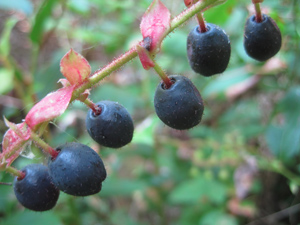 This super-berry can be found wild in the Western part of North America. It cannot be found in the supermarket yet that I know of. It They are a bit too soft when ripe, too difficult to pick and too mealy/seedy to be commercially viable. I share salal with you because it has not been cultivated for its sweetness, convenience of picking, pleasing appearance, texture or hardiness. It has been growing pretty much the same way, wild in the forests as it has been for thousands of years and making up an important part of the diet of people who walked these forests. If you are harvesting berries, please learn to do so responsibly and ensure there will be more there next year than there are this one.
You may not have Salal growing in your area but you will no doubt have some local berries that were growing wild in your area that have since been cultivated, sold as a superfood or ignored while they continued growing as they always have because they weren’t quite yummy enough or productive enough to make the supermarket. This is the case with Salal.
This berry grows all over the forests here of the West coast of the USA and Canada. It is part of the Heath family, the Ericaceae. The fruits are sometimes a bit bland and sometimes quite sweet it depends on the season, sun, temperature, soil or other growing conditions. The fruits are quite easy to pick so i’m not sure why it never caught on as a commercial berry, must just not be sweet enough. I like salal the way it is.
What makes a food a “superfood”? This word gets thrown around lately a lot. Here are some examples of berries around the world that have been considered “superfoods” or “superberries”. Goji, Camu Camu, Aronia, Amla, Acai, Maqui, Acerola Cherry… What do these berries have in common? They have been largely wild until they recently received super food status. The plants have not been very changed yet by agriculture and selective breeding. The fruits are really not that sweet.
I compare the blueberries sold in the store to the ones I find in the wild here. The wild ones are smaller, darker and usually tarter. It seems the varieties closest to the wild berries have the most anthocyanin, the flavonoid antioxidant that we rave about in blue foods like blue corn, blueberries and other popular health foods.
The sugar content in commercial berries is higher and the anthocyanin content lower. What makes the purple/dark blue colour is when the sugars in these berries are combined with anthocyanin molecules. When they have more sugar and less anthocyanin, they’re less blue. This is why I like those wild Salal and Aronia type berries because their colours are so dark and I can “see” that nutrient with my bare eyes.
There are other nutrients that we cannot “see” as easily. These include vitamin C which can be thousands of times more abundant in some wild foods per gram for example than it is in oranges. I know this sounds like an exaggeration and it is funny to write because it sounds sensationalist but it is true. Vitamin C content and all the other antioxidant contents are so dependent on the quality of the soil, the ripeness of the fruit and the storage of the food after it is picked that most of the oranges we find in the stores are quite low in this vital nutrient. As humans (and guinnea pigs have this problem too) we are the only animals that cannot synthesize vitamin C in and need to consume it every day in reasonable quantities. Deficiencies in C can cause bone, immune and anemia related problems in our bodies. It can be wonderful to include some superfoods like Camu Camu or Acerola Cherries but also to find some berries that are local to you that may not yet have super-star status that are most likely higher in most nutrients, not just vitamin C.
Salal is available as a garden plant in North America and in the UK, often as a shrub or garden cover. You may be able to find it even in city parks or in your own garden.
Please consider the unsung berries in your local area as superfoods and maybe look for some in the wild or in your garden.
Read more
 Black Currants!


 Truthfully no matter what a person eats there is some kind of immune system response going to occur. The immune system is distracted and on-guard no matter what we eat as long as there is food in the intestinal tract. That being said when we eat something that contains a known or unknown food allergen our immune systems are distracted fighting this particle extra hard. Since nobody is perfik it is reasonable to assume this is just going to happen sometimes, maybe more frequently than we would like to think however to have it happen continuously will take a lot of the immune system’s resources that it could be using to fight off other infections or clear other toxins in the body or anything else that we would rather our immune systems be working on. One of the worst bits of news is that this reaction can go on for months in the body following a single exposure, continuing this distraction and misdirection of our precious resources.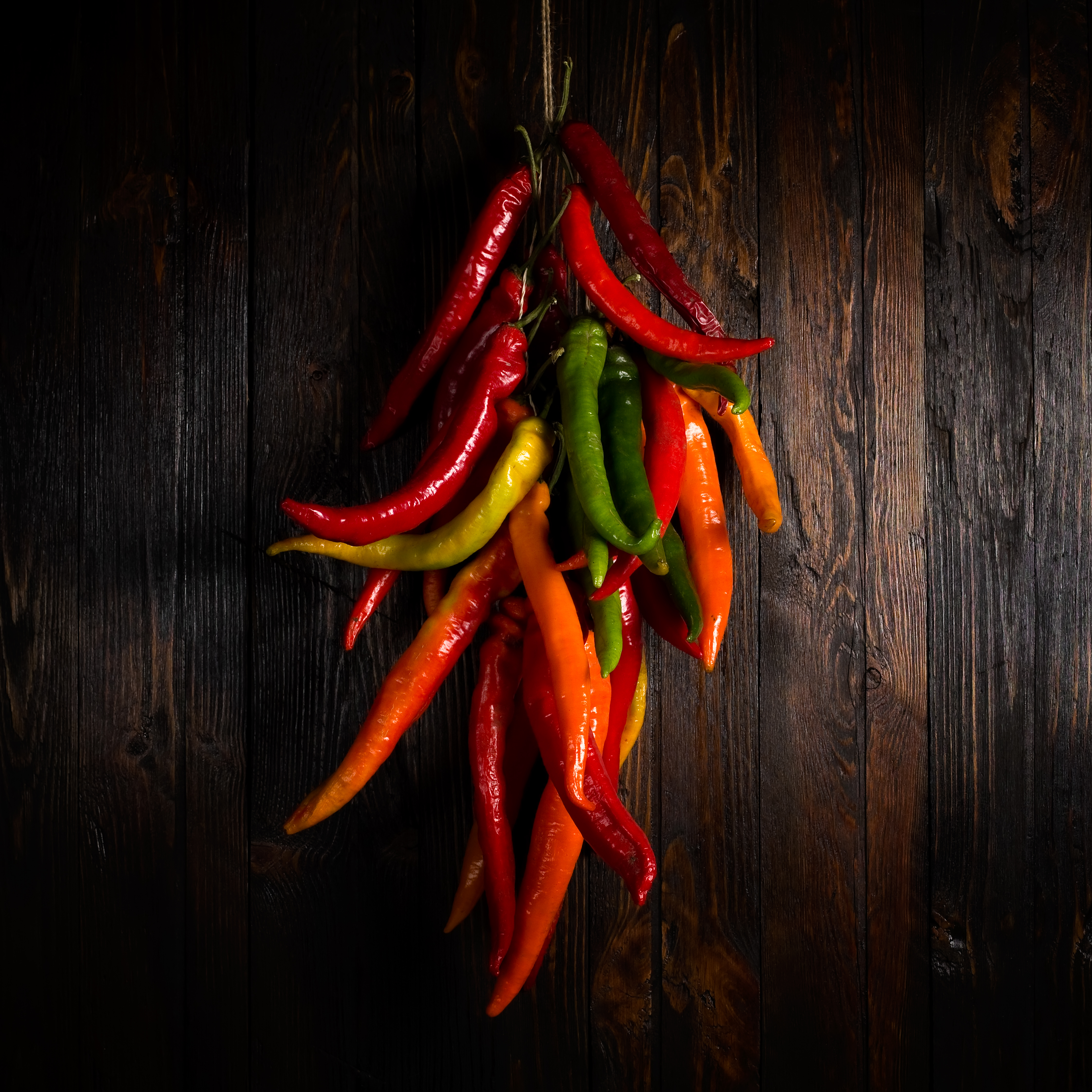
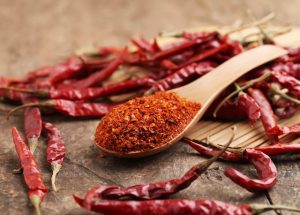 A second use for cayenne is as a delivery service for other herbs that you may be taking. you may have heard of black pepper helping turmeric to be more easily absorbed in the body. The study that I remember found curcumin was absorbed 2000 times better with the addition of black pepper… but here’s the rub: Black pepper increases the permeability of several parts of our bodies including the digestive tract and this is how it delivers herbs more effectively to the body. As long as there are no toxins, bacterial infections or actual leaky gut going on this is a great idea… but if you are dealing with candida or a bacterial imbalance you will be potentially releasing other unwanted items into your blood stream along with the herbs and constituents you were hoping for. Cayenne is remarkably good as a delivery system for herbs by increasing circulation (only works on things that can actually be absorbed prior to circulating :)) So in this case adding it to a tincture of something like curcumin will help to bring its anti-inflammatory and anti-oxidant properties to different parts of the body and will help it to be absorbed without having to go through the digestive tract (as tinctures are usually absorbed before reaching the small intestine because of the alcohol content).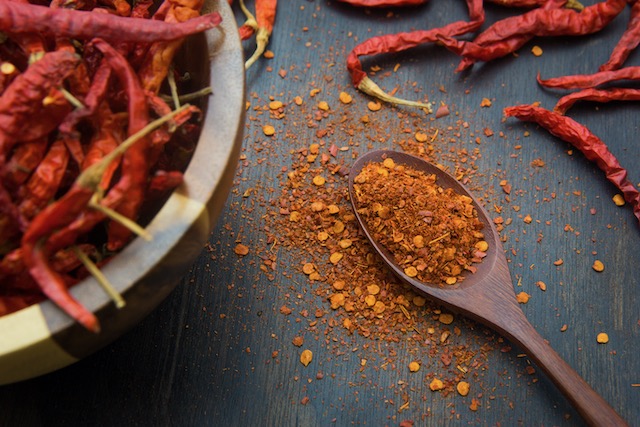
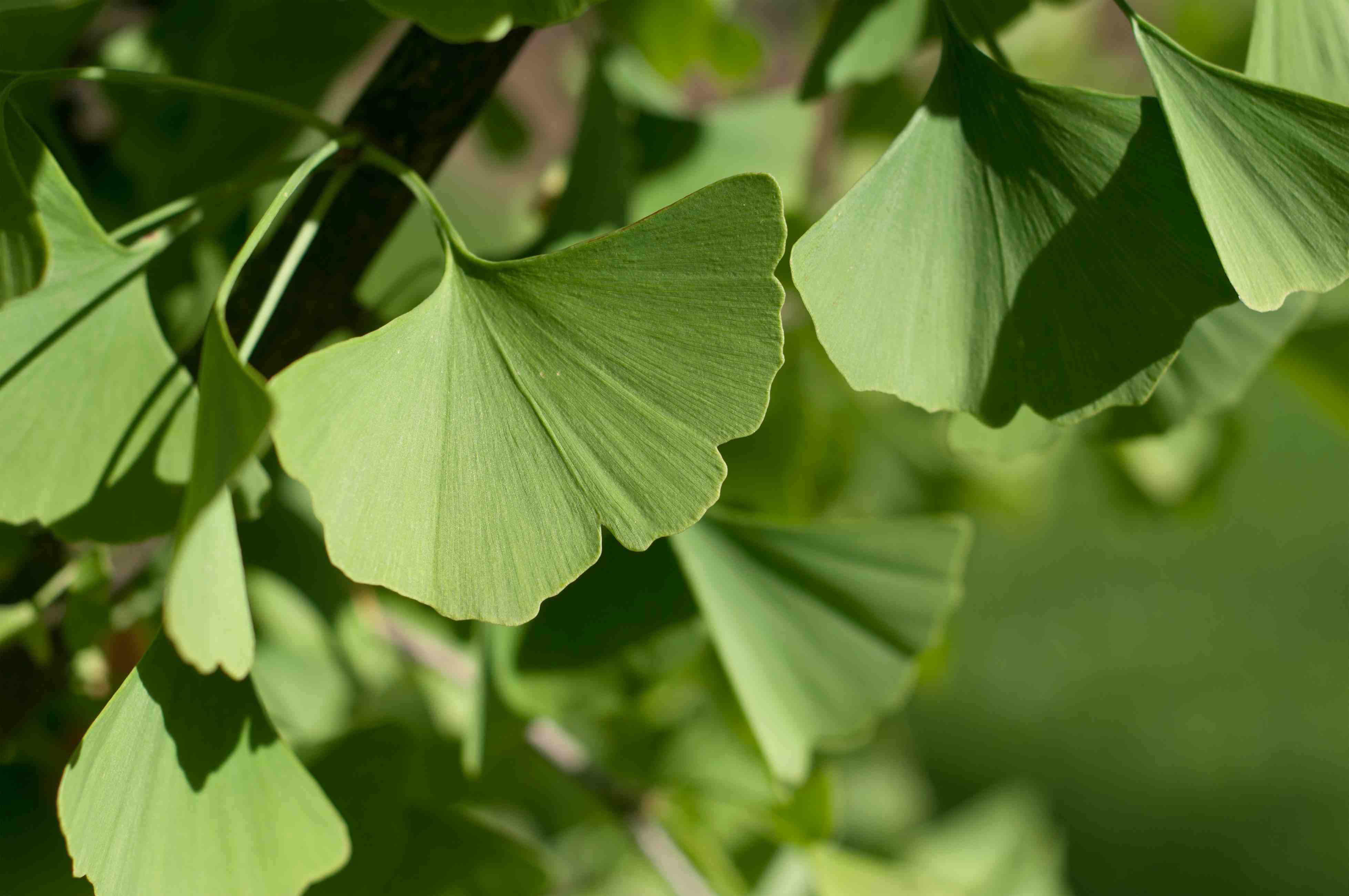
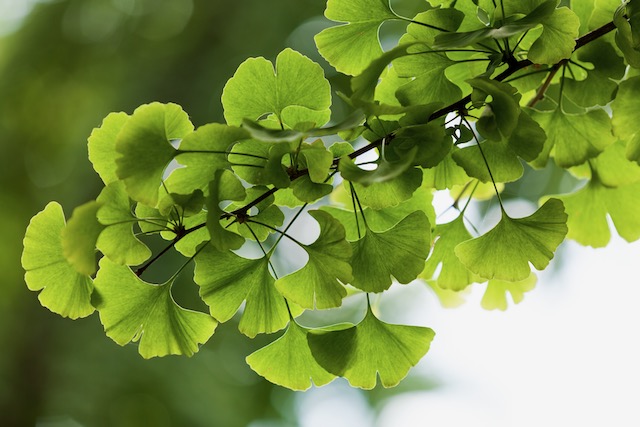
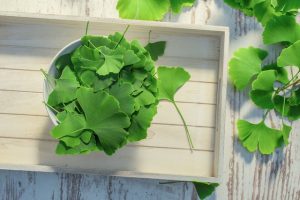 So how does Ginkgo Biloba do this? It interferes with something called the Platelet Activating Factor in the blood which contributes to inflammation. Interestingly cancer cells have a large amount of receptors for Platelet Activating Factor and several studies that I have read strongly point to the possibility that when these receptors or the Platelet Activating Factor are reduced the cancers stop growing.


