
Do Essential Oils Expire?
 Some essential oils get used up relatively quickly and others sit at the back of the shelf for quite some time. How long should we keep them and do they ever expire? These are excellent questions.
Every Food Must Expire By Law
If something is sold for food purposes we must have an expiry date on it. While essential oils do not expire in the traditional sense of the word some of them will have an expiry date on them because of the category that they are sold in. Traditionally expiry dates are based on the growth of bacteria and the “spoiling” of a product by bacteria. This will not be a problem for essential oils because they are oils. Bacteria cannot grow in them in this way just because they are oils and not water. Many of our essential oils are antibacterial in nature so that is even more reason for bacteria not to grow in them. The oils can go rancid though and can also lose some of their constituents, particularly the most volatile or lightest weight components of them.
Bacteria Do Not Grow In Oils
So our oils do not technically expire in the same ways as other foods but they do have an expiry date sometimes the longest date possible from the time of manufacturing just because it is a bit arbitrary. While they do not grow pathogenic bacteria many essential oils can evaporate, changing their consistency.
Essential Oils Can Evaporate if Left Without a Tight Lid
Evaporation happens slowly but it can change the thickness of your oils so if they have been on the back shelf for quite some time and are seeming thicker and more goopy than they were before this may be why. There is something else that can happen when oils are kept in an environment where they are exposed to air.
Essential Oils Can Oxidize
Essential oils can and will oxidize over time. This is a type of rancidity. There are many websites saying that essential oils do not go rancid but they may oxidize. This is really the same thing. This means that the structure of the molecules has been changed and they are no longer healthy for the human body. The amount of time it takes an oil to start to oxidize varies depending on the oil. Each oil will be slightly different. Maybe you keep coconut oil for one year or flax oil for three months and so on.
Every Oil Has its Own Shelf Life
Keeping oils in a cool dark place with the lids on will lengthen the shelf life as much as possible. If I had an elixir fridge (now there’s an idea) I would keep the oils in there.
Please let me know what you think about essential oils, extraction methods and how long to keep them around in the comments above this article. I would love to know your thoughts.
Essential Oils Generally Recognized as Edible. Don’t eat them without diluting, looking into the purity of the company and working with a mentor or doctor that knows your specific goals.
Alfalfa
Allspice
Almond, bitter
Ambrette
Ambrette
Angelica root, seed, stem
Angostura
Anise
Asafetida
Balsam of Peru
Basil
Bay leaves
Bay
Bergamot
Bois De Rose
Camomile
Cananga
Capsicum
Caraway
Cardamom seed
Carob Bean
Carrot
Cascarilla Bark
Cassia bark
Celery seed
Cherry, wild
Chervil
Chicory
Cinnamon bark and leaf
Citronella
Citrus peels
Clary (clary sage)
Clove Bud
Clover
Coca (decocainized)
Coffee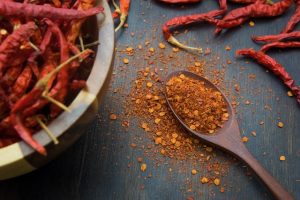
Cola nut
Coriander
Cumin
Curacao orange peel
Cusparia Bark
Dandelion, all parts
Dog grass
Elder, flowers and berries
Estragole
Fennel, sweet
Fenugreek
Galangal
Geranium
Geranium, rose
Hickory bark
Horehound
Hops
Horsemint
Hyssop
Helichrysum
Jasmine
Juniper berries
Kola nut
Laurel berries and leaves
Lavender
Lavandin
Lemon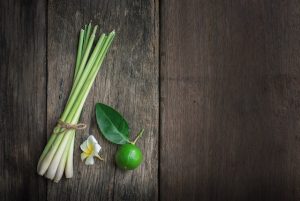
Lemon balm (Melissa)
Lemon grass
Lemon peel
Lime
Linden flowers
Locust bean
Lupulin
Mace
Mandarin
Marjoram
Mate
Melissa (see balm)
Menthol
Molasses (extract)
Mustard
Naringin
Neroli
Nutmeg
Onion
Orange, bitter
Orange, bitter, peel
Orange leaf
Orange, sweet
Orange, sweet, flowers
Orange, sweet, peel
Origanum
Palmarosa
Paprika
Parsley
Pepper, black
Pepper, white
Peppermint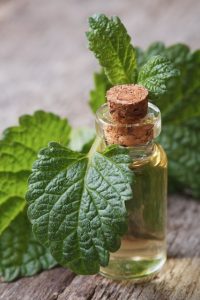
Peruvian balsam
Petitgrain
Pimenta
Pimenta leaf
Pipsissewa leaves
Pomegranate
Prickly ash bark
Rose absolute
Rose, otto
Rose buds
Rose flowers
Rose fruit (hips)
Rose geranium
Rose leaves
Rosemary
Saffron
Sage, Greek or Spanish Salvia
St. John’s bread
Savory, summer
Savory, winter
Schinus molle
Sloe berries (blackthorn berries)
Spearmint
Spike lavender
Tamarind
Tangerine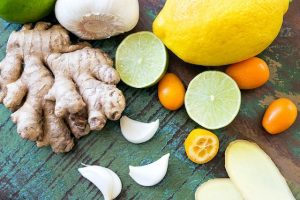
Tarragon
Tea
Thyme
Thyme, white
Thyme, wild or creeping
Triticum (see dog grass)
Tuberose
Turmeric
Vanilla
Violet flowers
Violet leaves
Violet leaves absolute
Wild cherry bark
Ylang-ylang
Zedoary bark
Read more


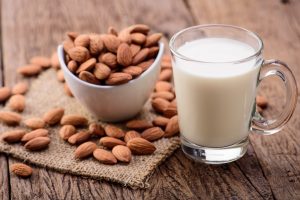
 These seeds contain a great amount of calcium but they also contain a great amount of oxalates. This means that the calcium within the sesame seeds is largely unabsorbable. FERMENTING is the best way to decrease oxalates in sesame milk or even in the seeds themselves if fermented in a Lactobacillus bath. There is some debate about how much of the oxalates are destroyed by sprouting. Sesame seeds also contain phytic acid. Phytic acid binds to the zinc making it less absorbable along with other minerals such as manganese and iron. Sprouting reduces the amount of phytic acid. There is research pointing to the health benefits of consuming phytic acid but that is a topic for another post… Fermentation can also release much of the phytates in foods but soaking and sprouting is a good start and a critical step. We are soaking to maximize the minerals available for digestion.
 I talked in this week’s video a little bit about stomach acid levels. You can try the apple cider vinegar trick and maybe working with someone to see if low stomach acid might be a problem and if so taking steps to correct it. If you have a history of stomach ulcers, reflux or GERD increasing stomach acid can present challenges and risks but ironically it is those conditions that can benefit most from a healthily acidic stomach environment.
 because they are transient, not native bacteria. Learning how to create a real symbiotic environment and rebuild native flora can benefit the absorption of nutrients and digestion of food. If you have ever brewed Kombucha or Kefir you will have taken care of a symbiotic colony of bacteria and yeasts. They work together. The yeasts are able to put out little feet and hold on to their home and the bacteria feed off of the wastes that the yeasts create. Through this process they are able to create a colony that doesn’t get washed away and actually rebuild the flora. There are many probiotic foods that you can purchase with different strains of yeasts and bacteria that have been cultured to digest certain types of vegetables, fruits or sugars. Choose wisely and think about what you would like to be digesting inside your body with the help of the bacteria in relation to what they have been acclimated to break down.